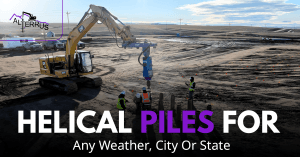
In recent years, the global energy landscape has experienced a paradigm shift driven by two converging trends: the rapid adoption of utility-scale solar power and the exponential increase in electricity demand for data centers to support AI. As power consumption surges, especially with projections suggesting that AI data centers could require up to 10 times more power than traditional facilities, the need for reliable, efficient, and sustainable energy solutions has never been more critical.
Utility-Scale Solar and the Growing Demand
Utility-scale solar projects have expanded dramatically, harnessing the sun’s energy to meet increasing global demands for clean power. However, solar generation is inherently intermittent, power is only available when the sun is shining. This variance presents a significant challenge: how do you ensure a constant and reliable power supply to serve the ever-increasing load, especially when faced with the round-the-clock needs of tomorrow’s data-driven world?
The Role of Battery Energy Storage Systems (BESS)
Battery Energy Storage Systems have emerged as the essential technology bridging renewable generation and modern power demands. These sophisticated systems can store megawatt-hours of energy and dispatch it precisely when and where it’s needed most. The flexibility of BESS allows them to serve multiple functions:
- Storing excess renewable energy for use during peak demand periods
- Providing frequency regulation and grid stabilization services
- Enabling microgrid capabilities for critical infrastructure
- Deferring expensive transmission and distribution upgrades
- Supplying backup power during outages
The market for utility-scale BESS has grown exponentially, with annual deployments increasing year over year. Energy analysts project this growth trajectory to continue as battery costs decline and the need for flexible grid assets intensifies.
The Perfect Scenario for Helical Piles
The rapid deployment of BESS installations presents unique engineering challenges. These systems require substantial foundations to support heavy battery enclosures, inverters, transformers, and associated equipment. Traditional foundation methods like concrete pads often involve extensive excavation, long curing times, and significant site disruption, all factors that can delay critical energy projects.
Additionally, many optimal locations for BESS installations present challenging soil conditions, environmental restrictions, or tight construction timelines. As utilities and developers race to build storage capacity to support data centers and integrate renewable energy, foundation solutions that enable rapid, reliable deployment have become increasingly valuable.
Alterrus: Leading the Way in Safe, Reliable Installations
With decades of experience and three years of proven project execution as Alterrus, their leadership has established themselves as a leading helical pile installer for the energy industry. What sets Alterrus apart is more than just technical proficiency; it’s their unwavering commitment to safety. In every project, they uphold the highest safety standards, ensuring not only timely delivery but also the well-being of their teams and partners.
As the world embraces renewable energy and digital transformation, the synergy between utility-scale solar, battery energy storage, and innovative foundation technologies like helical piles will be crucial. Companies like Alterrus are paving the way, building the safe, robust infrastructure that will power our connected, data-driven future.
For more information Visit Alterrusllc.com or Email: projects@alterrusllc.com